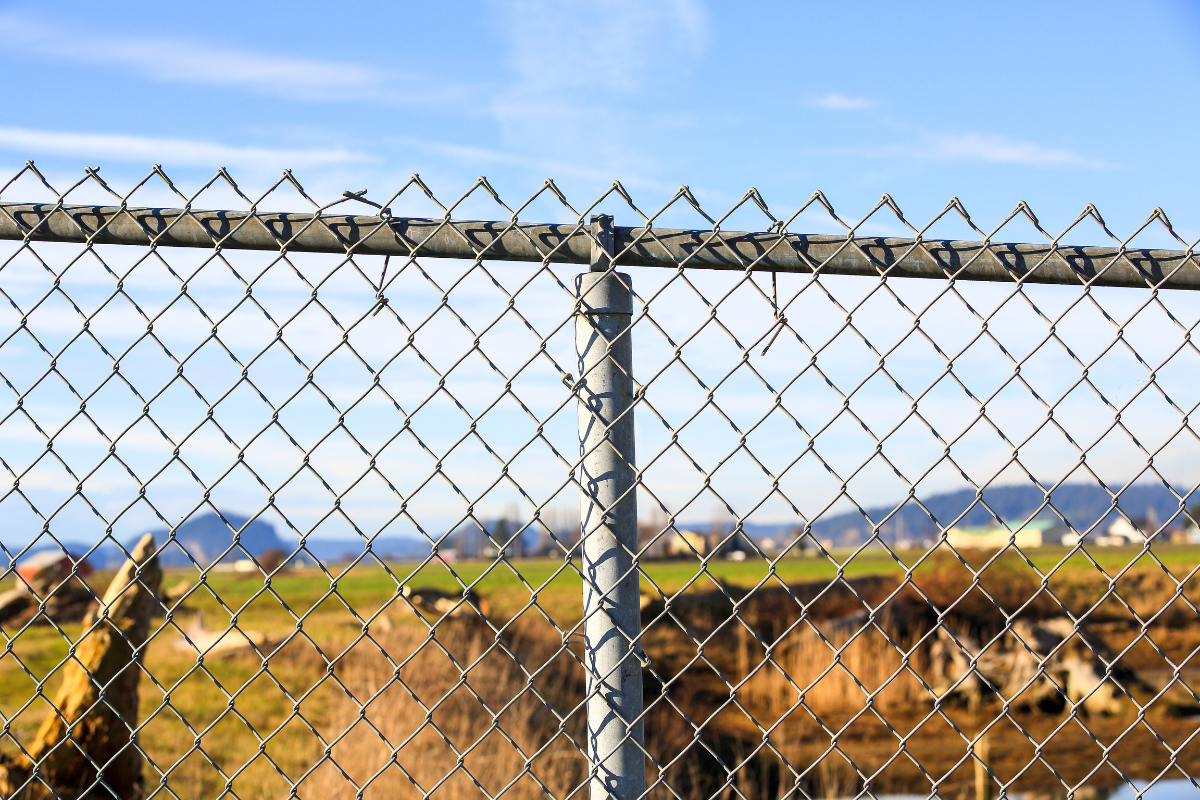
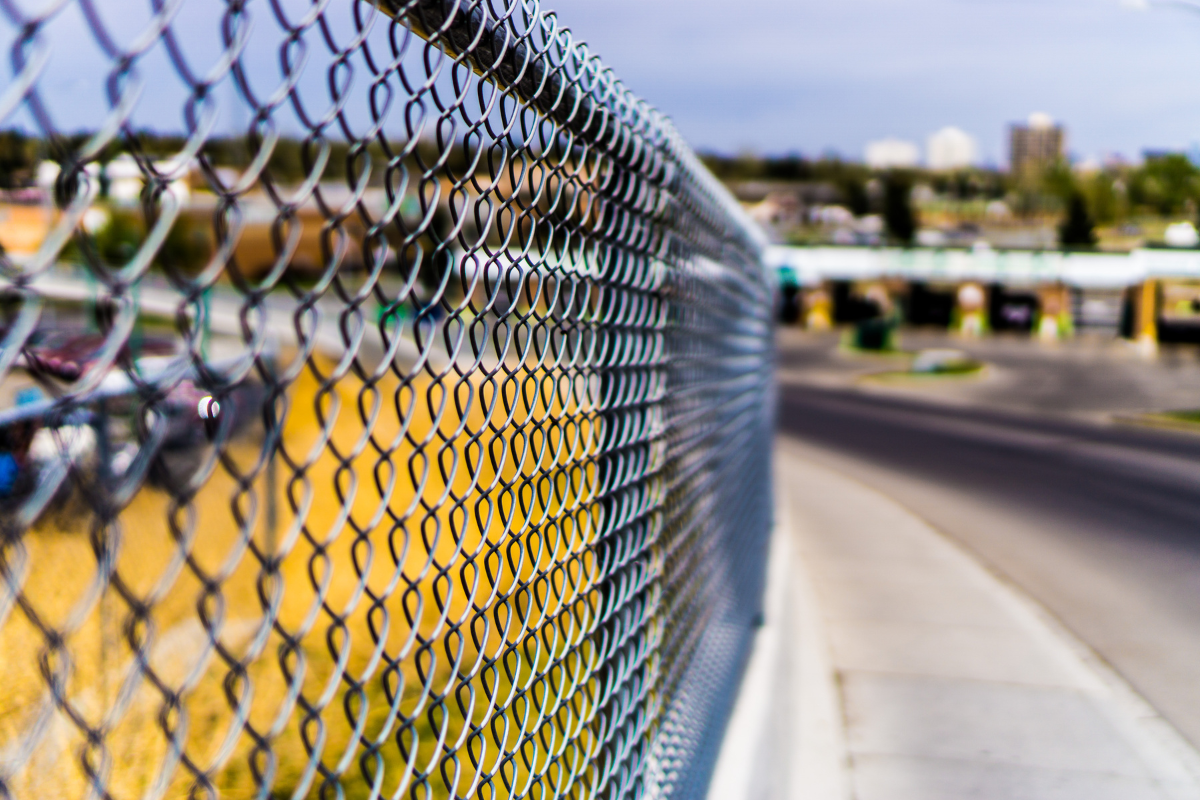
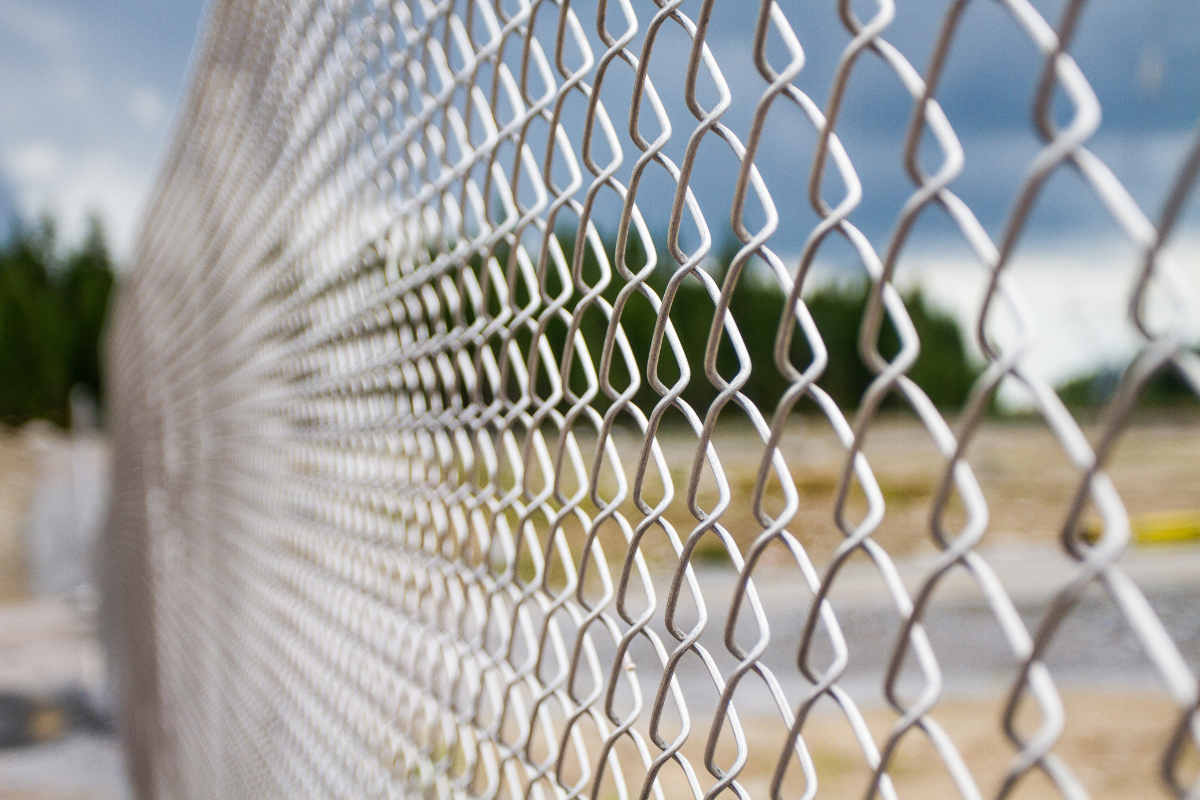
The first chain link fence I installed was for a neighbor who wanted to keep a nosy hound from sneaking into the garden. The line snapped tight, the fabric stood plumb, and the gate clicked with that satisfying cadence only a properly hung latch can make. That neighbor still waves when I drive by, and the fence still stands straight. Work like that sticks with you. It taught me what a well-built barrier really means for a home or business: predictable security, honest value, and a clean look that doesn’t demand attention but earns respect.
A veteran-owned chain link fence company builds with that mindset. You get a team trained to measure twice and cut once, people who show up on time, call out problems before they grow expensive, and leave a site cleaner than they found it. The uniform might be different now, but the standards aren’t. If you’re weighing your options among a chain link fence contractor, here’s what to expect from professionals who treat your property with the same care we learned to give our equipment and our teammates.
Why chain link earns its place
Chain link fencing gets chosen for straight-shooting reasons: it works, it lasts, and it keeps costs in check. When someone asks why we recommend it for a yard, a storage lot, or a ball field, I point to four things that matter almost every time. First, durability across seasons. Galvanized steel takes wind, rain, hail, and sun year after year, especially if you spec it right. Second, visibility. You know what’s happening on both sides, which matters for safety as much as security. Third, modularity. You can add gates, privacy slats, barbed wire, or windscreens without rebuilding the whole run. Fourth, price. Compared to wood or ornamental steel, you can cover more linear feet per dollar without sacrificing performance.
It isn’t perfect for every project. If you need a historic look for a Victorian front yard, ornamental might win. If you want a complete privacy barrier, you’ll either add slats or choose a different material altogether. But for most residential perimeters, dog enclosures, commercial yards, schools, and light industrial sites, chain link fence installation delivers a practical balance that’s hard to beat.
The anatomy of a strong fence
People see the diamond mesh and think that’s the fence. In truth, the framework decides how the fence behaves over time. I’ve repaired more bent line posts and sagging top rails than torn fabric. When we lay out a run, we treat the posts like the bones of the project, and the hardware like connective tissue that keeps everything aligned.
Posts should be set in concrete below frost depth, with bell-shaped footings when soil conditions call for more bearing surface. End, corner, and gate posts take the load, so they get larger diameters and deeper footings. Terminal posts carry tension bands and brace rails. Line posts handle the steady rhythm along the run. The top rail ties the structure together, and tension wire at the bottom keeps the mesh snug to grade, which matters for pets and for security.
Fabric gauge and coatings do the quiet work against weather and impact. Thicker gauges handle abuse without crumpling, while coatings guard against corrosion. Ties and bands are the small parts that either hold the promise or let it down. Cheap ties unwind, especially under wind load or when kids climb, while good ties stay twisted and tight. Hinges and latches decide whether the gate feels like a door or like a rattletrap. Get those details right, and the fence earns its keep for decades.
Materials that tell the truth
We walk customers through material options the same way we would spec a fence on a base perimeter: start with the mission, then match the kit.
Galvanized steel is the baseline for both residential and commercial chain link fencing. In our climate, hot-dipped galvanization with a decent zinc weight holds up better than electro-galvanized alternatives. If you’re within a few miles of saltwater or in areas that see heavy de-icing salts, step up the coating weight or consider vinyl-coated fabric and fittings to extend the life of the fence.
Vinyl-coated chain link brings color and extra protection. Black and green are common because they blend into landscaping and absorb less visual attention. The vinyl sheath over galvanized wire adds a barrier against rust, and it helps in sports applications where people contact is likely. For playgrounds and school yards, that combination of softer touch and longer life makes it worth the small premium.
Privacy slats come in a range of densities and materials. I only recommend slats when the posts and rails are spec’d to handle reduced wind passage. Slats turn your fence into a sail. If you’re in a windy corridor, we bump post diameters, use schedule 40 pipe for critical members, and add more robust footings. Skip those adjustments and your slatted fence will lean at the first nor’easter.
For high-security applications, smaller mesh diamonds and heavier gauge wire resist cutting and climbing. Add three strands of barbed wire or razor options on outriggers, and you complicate access enough that casual intruders look elsewhere. In facilities where liability is a concern, we may swap to top-guard outriggers angled inward or outward depending on the risk profile.
Installation that respects your site
Chain link fence installation starts well before we unload materials. The first pass is always reconnaissance. We map property lines using survey pins when available and pull local records when they aren’t. Underground utilities get marked, even if we’re certain of their locations, because a fence line is a lousy place to learn a gas lateral jogs unexpectedly. We watch the grade, hunting for low spots where water collects and high spots that could distort a straight line. Then we talk about gates. Gates are the fence in daily life. Put them in the wrong place and you’ll walk the long way around for years.
We set string lines tight and low, then mark post centers. Hole depth matters. In freeze-thaw zones, shallow footings pop like corks. We go below the frost line, bell the bottom when soil is loose, and steer clear of over-watering the concrete. Thin concrete weakens the bond and extends cure times. On sloped grades, we choose between racking the fabric or stepping the fence. Racking keeps the top line smooth but only works within a few degrees. Stepping looks like stairs, which some folks dislike, but it holds tension cleanly on steep ground.
Good chain link fencing installs like a drum skin. The fabric should sound taut when you tap it. We weave sections carefully, never forcing the spiral rod, and we alternate tie directions to keep the fabric centered. For long runs, we plan tension points so expansions and contractions through the seasons don’t telegraph as waviness. That discipline keeps a new fence looking new for more than the first summer.
Repair that solves the root cause
Chain link fence repair can be as simple as retying panels after a storm or as complex as replacing crushed terminal posts after a delivery truck misjudges a turn. The trick isn’t to swap parts. The trick is to read the damage and fix the reason it happened.
If wind pulled a section inward, we check the tie spacing and the bottom tension wire. If the bottom bowed and the neighbor’s lab escaped, the fence probably lacks a proper bottom rail or tension wire, or the grade dropped away after a hard rain. When fabric rusts in vertical bands, that’s usually off-brand wire with a thin coating, especially near irrigation spray. In those cases, a partial panel replacement will just reset the clock. We talk through the options: patch cheaply now and plan for a panel swap in a year or two, or replace with proper gauge and coating and be done with it.
Gates cause half of service calls. Hinges sag when they weren’t sized for the leaf width or when posts weren’t set to handle cantilever loads. We often install adjustable hinges initially to allow fine tuning as the ground settles. If a latch won’t catch, many times the fix is as simple as adjusting the drop rod height or plumb on the latch post. When a gate binds after years of swinging, the concrete footing might have fractured. That’s a bigger repair, but it’s predictable and solvable.
Where chain link shines in the field
Homeowners call us for perimeter fencing, dog runs, and pool enclosures. For pets, we run bottom tension wire tight to the grade, sometimes add a buried apron for diggers, and set gate clearances small enough that small dogs don’t slip through. For pools, code drives height, self-closing gates, and latch heights. Chain link meets code cleanly when the mesh size and climb resistance are chosen correctly. I recommend a black vinyl-coated fence around pools, not for looks alone, but because it resists chlorinated mist better than bare galvanized.
Schools and parks use chain link for fields, backstops, and playgrounds. Here, safety edges out security. We cap the top of fences with safety guards to avoid sharp points. On baseball diamonds, mesh size matters for ball containment, and support rails prevent panel sway during a hard catch. We’ve replaced too many low-gauge backstops dented by foul tips. Spend a bit more up front and the fence will still look crisp after a few seasons.
Commercial yards and light industrial sites lean on chain link for access control. We often pair fencing with cantilever slide gates or swing gates fitted with heavy-duty latches and panic hardware where required. Add privacy slats when inventory shouldn’t be visible from the road. But again, we beef up the structure to carry the wind load. Most theft attempts look for easy targets. A fence that sits plumb, with tight fabric and clean lines, signals trouble to anyone thinking about testing it.
Security without drama
Security works best when it’s dependable and quiet. Chain link’s transparency helps with natural surveillance. Employees and neighbors can see https://landenkltd463.raidersfanteamshop.com/affordable-and-fast-chain-link-fence-repair-services odd activity, and cameras enjoy clear sightlines without bright glare off solid panels. We advise on fence heights based on the area and risk tolerance. Six feet deters most casual trespass. Eight feet with top-guard discourages the determined. Pair that with properly placed lighting and you improve outcomes without making the property feel like a fortress.
Openings are the weak link. A gate with a cheap latch invites tampering. Hardware should match the mission. On busy yards, we specify robust, greaseable hinges with enclosed barrels so dust and grit don’t chew them up. For access control, we coordinate with your electrician to ensure operators have clean power, and we integrate safety loops and photo eyes to protect pedestrians and vehicles. If you need crash resistance, that’s a different conversation and often points to bollards or specialty barriers ahead of the fence line.
Maintenance that pays
Chain link fencing earns its reputation for low maintenance, but low doesn’t mean zero. A light schedule keeps repairs rare and inexpensive.
- Walk the line twice a year, spring and fall, and after major storms. Look for loose ties, leaning posts, and grade changes that create gaps under the fabric. Catching movement early costs little. Wash vinyl-coated sections annually with low-pressure water to remove grime and de-icing residue. In coastal areas, rinsing monthly during the salt season extends service life.
Vegetation matters. Vines look charming for a season, then rip ties and add weight you didn’t plan for. Keep plants off the mesh and trim grass around the base so moisture doesn’t linger. If you use string trimmers near the fence, show your crew how to avoid nicking the coating. Countless rust streaks trace back to careless trimming.
Hardware likes attention. A dab of grease on heavy gate hinges and a check on latch alignment every few months keeps the daily user experience crisp. If you hear a squeak or feel drag, that’s the fence asking politely for help.
Budgeting with eyes open
A straight talk on cost helps avoid surprises. For residential projects, most homeowners look at total installed price per linear foot. That number shifts with height, gauge, coatings, terrain, gate count, and local labor rates. For a typical 4 to 6 foot residential fence, galvanized systems often price in the lower range, vinyl-coated somewhat higher, and privacy slatted higher still. On commercial sites, heavier frameworks, taller heights, and security features push numbers up. When you compare quotes, normalize the specs: post diameters, wall thickness, fabric gauge, coating type, footing depth. A cheaper bid with lighter materials can cost more over time.
Permits and codes matter. Some jurisdictions require permits for fences above certain heights or near easements. Pool enclosures almost always carry specific requirements. We handle permitting as part of our chain link fencing services when clients prefer to avoid the paperwork. If you plan to DIY any segment, coordinate early so we don’t run afoul of code or property lines.
Choosing a chain link fence contractor with a veteran’s mindset
Trust the person who will set your posts. A veteran-owned chain link fence company should be comfortable inviting questions and speaking plainly about trade-offs. Ask to see past work, and not just glamor shots. Look at corners and gates. Corners expose craft. Gates reveal whether the crew respects function as much as form.
Schedules matter. Good contractors can tell you lead times for materials and install dates, then hit them. Weather intervenes, and underground surprises do happen, but communication should never go quiet. We keep clients informed when we discover a buried obstruction or a missing pin. Honesty upfront avoids friction down the line.
Warranty terms tell a story. A company confident in its craft will back labor for a meaningful period and pass through manufacturer warranties on materials. Read the fine print. Wind damage on a slatted fence may be excluded if the structure wasn’t designed for it. We design for it, and we document our specs so you know what you bought.
The installation day experience
The best compliment we get is when neighbors say they hardly noticed the crew, aside from the steady click of ties and the thump of tampers. A clean site makes a clean job. We stage materials where they won’t crush lawn or block driveways, run cords safely, and keep gates or access points usable through the workday whenever possible. If concrete trucks can’t reach, we mix on site and protect the grass with mats. At day’s end, debris goes with us, not into your trash bins.
There’s a rhythm to setting posts, bracing terminals, and stretching fabric. Good crews move with that rhythm. The top rail slides into place without force. Fabric weaves like a zipper, straight and even. Shortcuts show in the final line. We take our time at corners because corners lock the geometry. Once a fence is plumb and true, the rest of the job moves faster and the result looks right from every angle.
Special cases and the judgment calls behind them
Every project hides an edge case or two. One yard might have a swale that collects water in spring. Another might sit over rocky glacial till where a post-hole digger throws sparks. In saturated soils, we widen footings and sometimes add drain rock under the bell to reduce frost heave. On rock, we drill and set posts with anchoring grout. If the grade changes sharply, we recommend stepping with custom panels rather than forcing a rack that will crinkle the mesh.
Driveways present decisions. A single swing gate looks tidy but needs space to open. A double swing reduces leaf weight on each hinge but adds a center drop rod that can be awkward in snow. Cantilever slide gates save space and work well in commercial settings, but they need a stable, true track area and cost more. We walk through how you’ll use the gate most days, and we pick hardware that matches reality, not just drawings.
If pets test fences with digging or climbing, we adapt. A bottom rail combined with tension wire gives a cleaner barrier than wire alone. For diggers, a buried chain link apron running inward 12 to 18 inches usually ends the excavation hobby. For climbers, smaller mesh and rolled top edges reduce footholds. Sometimes we add a coyote roller at the top. Tailor the line to the animal and you won’t have to play catch-up after the escape.
Environmental factors that change the plan
The environment doesn’t read spec sheets. It pushes in its own ways, so we match it with materials and techniques that hold up.
Coastal regions demand more corrosion resistance. We use heavier zinc coatings, vinyl-coated fabric, stainless steel ties when budgets allow, and pay attention to hardware plating. Inland, the threat shifts to freeze-thaw and soil movement. Deeper footings, well-compacted backfill around the concrete, and careful water management around posts become the priority. In high-wind corridors, we increase framework dimensions, shorten post spacing, and recommend wind-permeable designs unless privacy is non-negotiable, in which case we design structurally for a sail.
Sun exposure can chalk cheaper vinyl over time. We choose UV-stabilized coatings with proven performance. On sports fields, repeated impact buttresses the case for heavier gauge and additional bracing. Each environment leans on the fence differently. A thoughtful chain link fence contractor respects those forces and designs accordingly.
What veteran-owned means in practice
The veteran label should stand for more than a logo. It shows in the morning briefing where we assign tasks and review safety points. It shows in how we secure the site at lunch so a child doesn’t wander into a trench. It shows in contingency planning for weather shifts. It shows in the way the crew carries itself on your property, with courtesy to neighbors and patience for curious kids who ask a thousand questions about the post-hole auger.
We take pride in readiness. That includes spare parts on the truck for the gate hinge that arrives blemished and an extra spool of tie wire for the stretch that eats more than expected. It includes a tape measure that never lies and a level we use more often than we admit. This isn’t hero talk. It’s simply the work ethic we learned and keep.
When repair beats replacement, and when it doesn’t
We try to save what makes sense to save. A run with a few bent line posts after a windstorm can often be rehabilitated by extracting and resetting posts, replacing the worst sections of fabric, and re-tensioning. A gate that drags because the hinges loosened can often be tightened and shimmed. These are straightforward chain link fence repair tasks and worth doing.
But there’s a point where replacement wins. If the fabric shows widespread rust pitting, especially at the knuckles and twists, the zinc barrier has failed. Patching buys time, not value. If footings heaved across the run, resetting isolated posts may leave the line uneven when the next freeze hits. In those cases, we lay out the economics: repair cost now plus likely future repairs over two to five years, compared to replacement with updated materials and construction. Many clients choose replacement once they see the full picture, but the decision is yours. Our job is to provide a clear view.
A brief homeowner’s checklist before we arrive
- Confirm property lines and share any surveys you have. Clear boundaries prevent neighbor disputes and rework. Mark desired gate locations with stakes or flags. Think about your daily paths and where vehicles turn. Identify underground sprinklers, lighting, and invisible dog fences. Utility locates won’t cover private lines. Plan for pets. Set up temporary containment so we can leave gates open as needed during work.
These small steps speed the job and reduce surprises. If any of this feels daunting, we handle layout planning with you on site. A half hour of conversation upfront can save a half day of adjustment later.
The value that lasts longer than the warranty
A well-built chain link fence fades into the background of daily life, which is exactly what most people want. It holds the line quietly. It lets light and air through. It keeps what should be in, in, and what should be out, out. Years pass, and you forget the crew, the concrete, the stretching and tying, because nothing demands your attention. That’s value.
If you’re weighing quotes or trying to decide between materials, ask for a site visit. Let a professional walk the grade with you, measure gate clearances, talk through dogs and kids and delivery trucks, and show you sample materials. Good chain link fencing services won’t rush you. We measure, recommend, adapt, and build. When we drive away, the fence stands straight, the gate catches cleanly, and you can get on with your day.
Whether it’s a modest backyard, a school field, or a commercial yard that needs reliable access control, a veteran-owned chain link fence company brings a steady hand, learned judgment, and a respect for your property that comes from years of treating gear and ground with care. If that sounds like the experience you want on your side of the property line, we’re ready to walk it with you.
Southern Prestige
Address: 120 Mardi Gras Rd, Carencro, LA 70520
Phone: (337) 322-4261
Website: https://www.southernprestigefence.com/